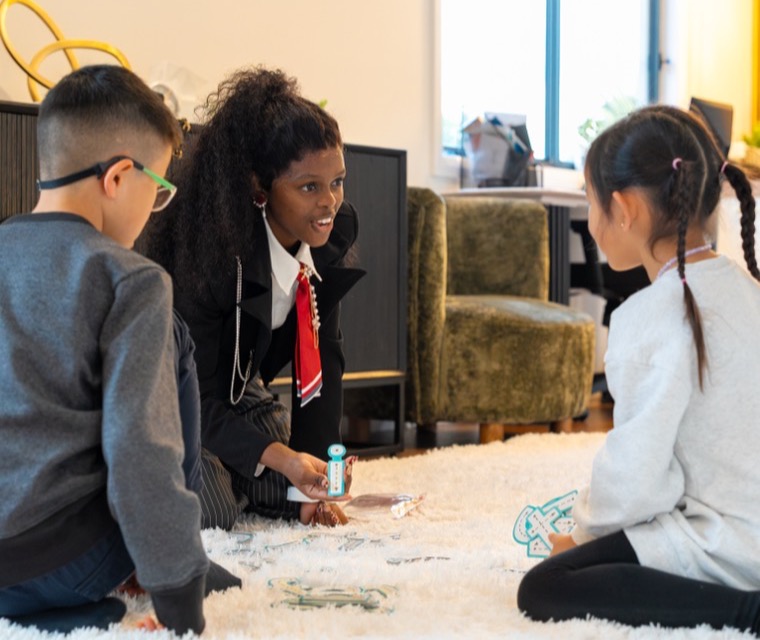
At Country Therapy, we love educating parents and clients about anything and everything, and this is often a common term we need to explain.
What it actually means
Sensory processing is how our brain receives, processes and responds to any of our five senses. The responses we give are often automatic and involuntary.
Receives
A sense picks up something from the world or the body.
Processes
The brain makes sense of what it has just taken in.
Responds
The body acts, usually before we have thought about it.
For example
Sometimes when we touch ice cold water, we react by either pulling our hand away or yelp from the bitter chill.
This is our brain processing the touch stimuli and telling us to react.
The five senses
How does it relate to our kids?
As we age, our brains are constantly learning and recognising different stimulations. We learn to love the smell of rain or decide to head inside. Sometimes, when we don't expose our brains to certain stimuli, it decides to remove that knowledge and potentially the ability to react appropriately to certain situations. We need to feed our brains these stimulations in order for it to grow and adapt accordingly.
Being young, exposure to certain sensory inputs would be scarce in comparison to a thirty or forty year old.
Conducting sensory stimulating activities at home and school is important to allow the growth and development of our kid's brains. It allows us as parents or guardians to understand our children's sensory limitations and build on their strengths.
Finally, it allows us to recognise when our children have issues with sensory processing which can then bring on behavioural problems, problems with emotional regulation and social skills.
Why it matters
Recognising sensory processing difficulties early gives you somewhere useful to start, rather than treating the behaviour that comes with it as the whole problem.
Want some light reading?
Because we love visuals, download and read through the resource below that further defines sensory processing and lightly covers topics of over and under stimulation, and how it may relate to people living with Autism Spectrum Disorder or ADHD.
Sensory Processing: a visual guide
All information is general and is not intended to be a substitute for professional medical advice.